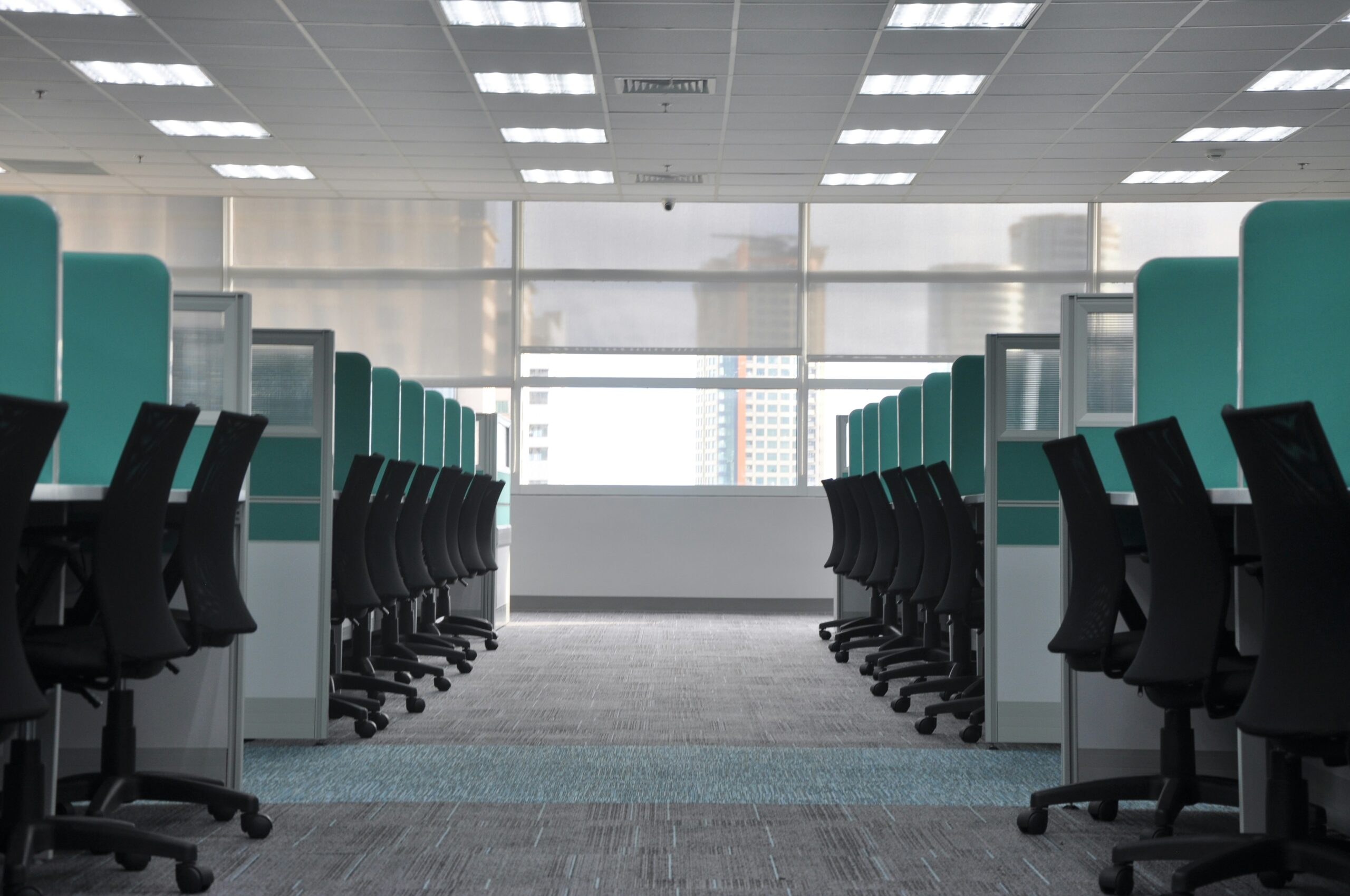
In any organization, a significant portion of resources is allocated to activities that are not part of the core business. Facility maintenance, cleaning, internal logistics, security, or waste management are essential functions, but they do not generate direct value in terms of revenue. However, their impact on daily operations is decisive.
Various industry analyses estimate that non-productive processes can represent between 20% and 30% of total operating expenses in medium and large companies.
When these services are not well-coordinated, inefficiencies multiply, response times increase, and visibility into the actual performance of each area is lost.
What outsourcing with Facility Management entails
Outsourcing these services through a Facility Management model does not consist solely of delegating tasks. It is about structuring an integrated management system in which all auxiliary activities are coordinated under a single operational strategy.
This approach allows supervision to be concentrated in a single point of contact, responsible for managing providers, technical resources, and planning. From there, each service is executed by specialized professionals, but under a common logic that guarantees consistency and efficiency.
Outsourcing, when well-planned, transforms dispersed areas into an organized, measurable system aligned with business objectives.
Improved control and traceability
One of the main benefits of this model is the increase in operational control. Centralizing services provides clear indicators of execution times, incidents, resource consumption, or service quality.
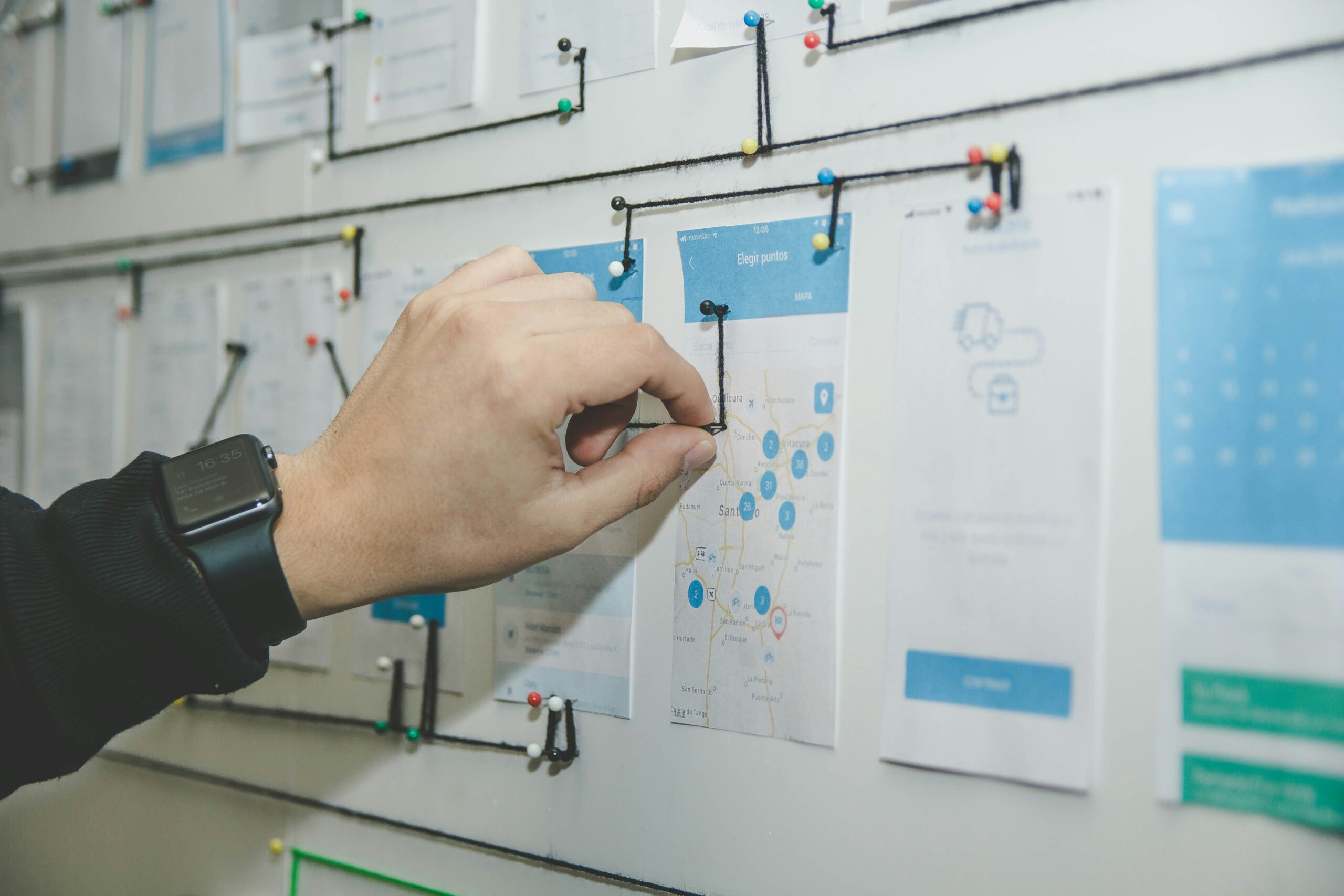
Management platforms associated with Facility Management allow real-time monitoring of operations. This facilitates decision-making, reduces dependence on manual processes, and improves the ability to anticipate potential problems.
Traceability becomes a key element. Every action is recorded, allowing for performance analysis, detection of deviations, and the application of continuous improvements in management.
Cost reduction and resource optimization
Outsourcing non-core services usually has a direct impact on the expense structure. By grouping services under a single provider or management system, duplications are eliminated and resource use is optimized.
In economic terms, many companies achieve reductions of between 15% and 25% in expenses associated with auxiliary services after implementing a Facility Management model. This saving is largely due to improved planning, negotiation with providers, and the elimination of inefficiencies.
Furthermore, the model allows variable expenses to be converted into more predictable items, which facilitates financial planning and reduces uncertainty.
Specialization and service quality
Another relevant aspect is access to specialized teams. Facility Management companies have professionals trained in each area, which guarantees a higher level of service than what is typically achieved with generalist internal resources.
This approach allows for compliance with specific regulations, especially in areas such as safety, technical maintenance, or environmental management. In regulated sectors, this specialization is key to avoiding incidents and ensuring compliance with standards.
Quality is also reinforced through service level agreements, which establish clear performance indicators and commitment in execution.
Flexibility and adaptability
A company’s needs are not static. They change based on growth, the opening of new facilities, or market evolution. Outsourcing services through Facility Management provides a level of flexibility that is difficult to achieve with rigid internal structures.
The model allows for scaling services up or down, incorporating new areas, or modifying planning without the need to reorganize the entire structure. This is especially useful in dynamic environments or in companies with activity peaks.
Additionally, having a single point of contact simplifies change management and reduces implementation times.
The role of technology in integrated management
Digitalization is a fundamental pillar in the evolution of Facility Management. Technological tools allow for centralizing information, automating processes, and generating detailed reports on service performance.
Advanced management systems integrate data from maintenance, logistics, energy consumption, or incidents, offering a global view of operations. This facilitates the identification of patterns and the continuous optimization of resources.
The use of technology not only improves efficiency but also provides transparency and control, two key elements in modern business management.
Impact on business strategy
Outsourcing non-core services allows companies to focus on their core business. By freeing up internal resources from operational tasks, it facilitates dedication to strategic areas such as innovation, business development, or customer service.
This shift in focus has a direct impact on competitiveness. Organizations that optimize their auxiliary processes typically show greater agility, better adaptability, and a more efficient structure.
Facility Management thus positions itself as a key tool for transforming business management, integrating services, improving results, and aligning operations with business objectives. And at FAMASE, we help you with the entire management process—why don’t we talk?