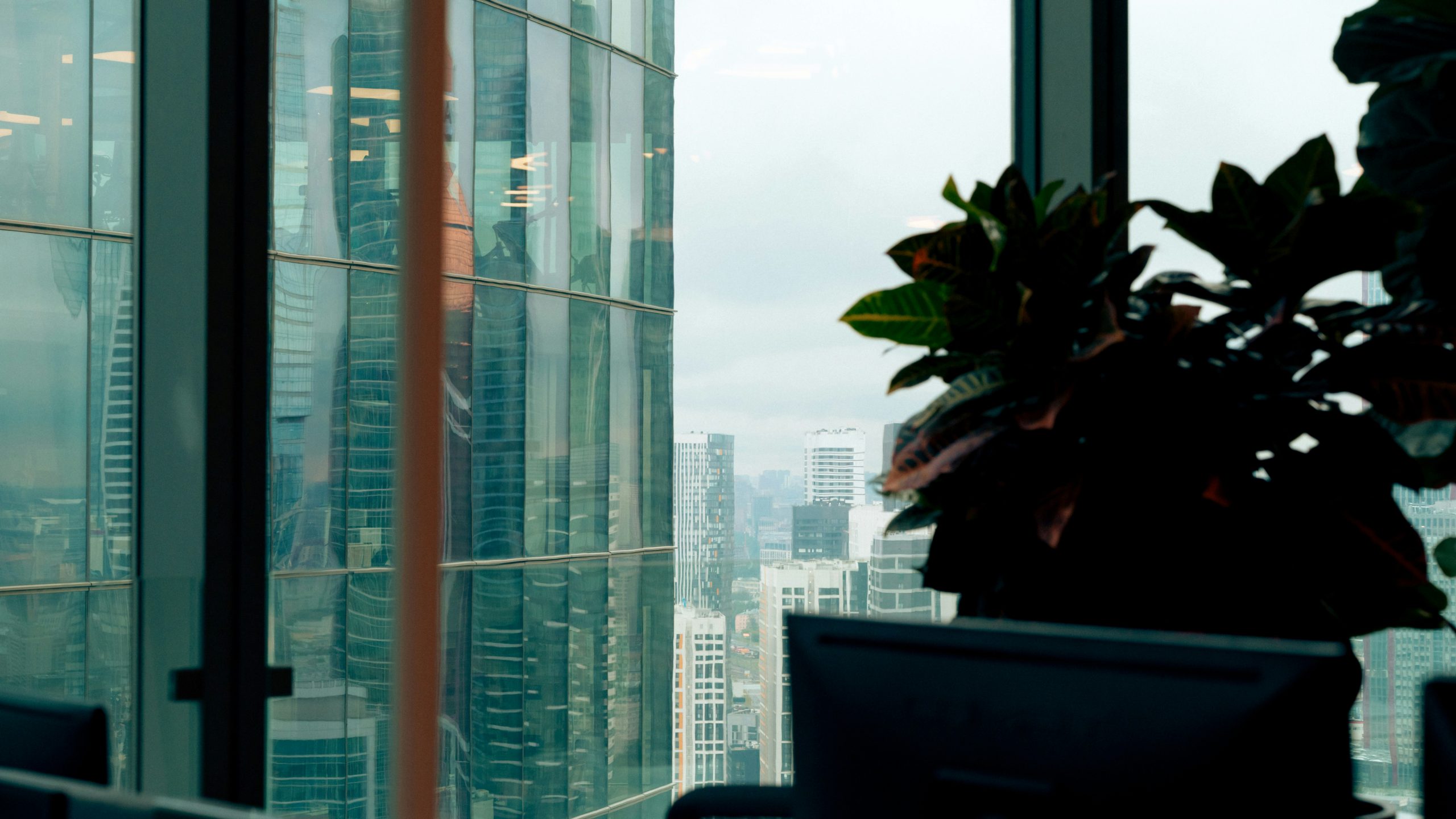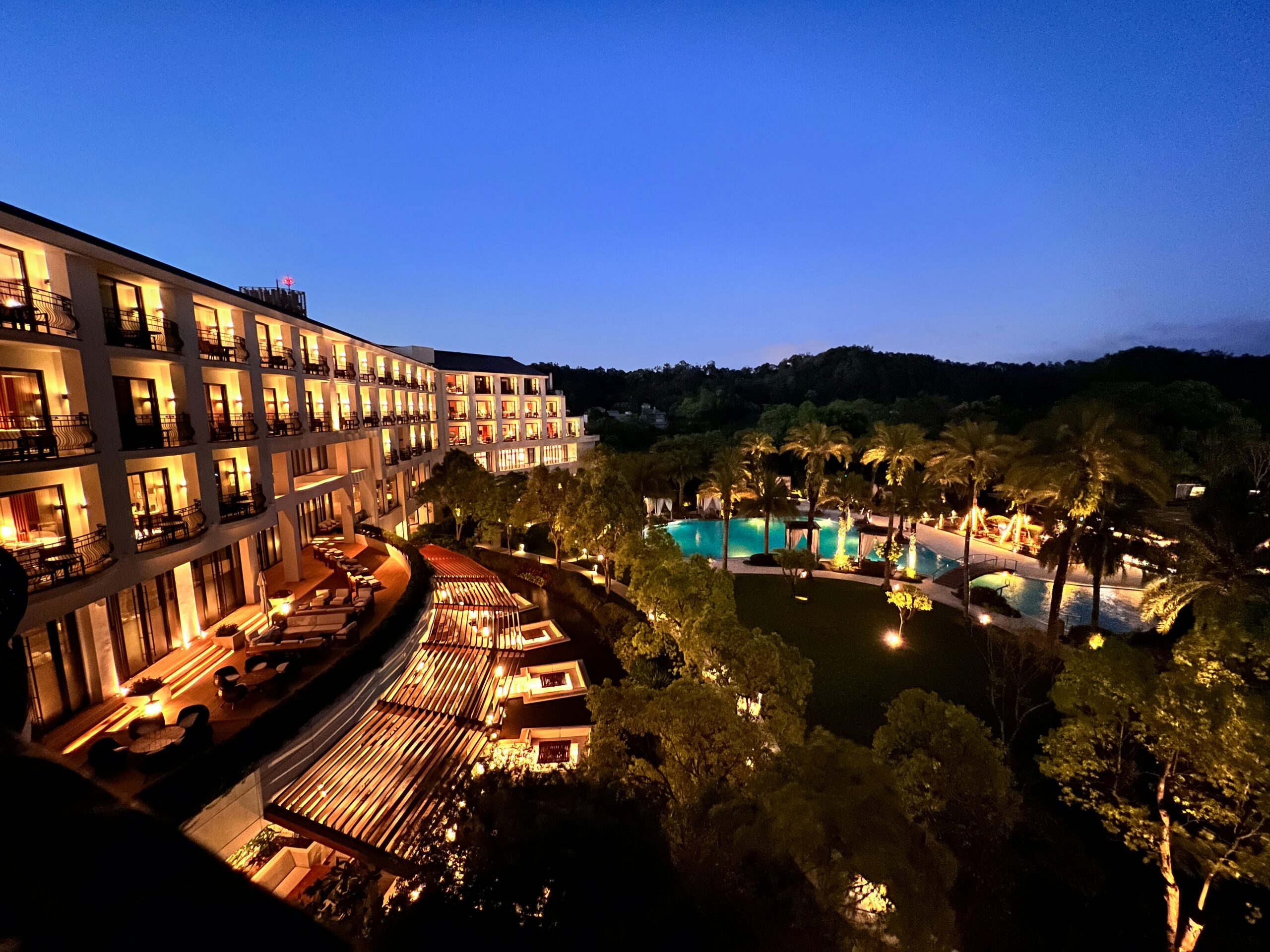
Workspaces are undergoing a profound transformation driven by new technologies, hybrid models, and a growing need for well-being among employees. It is no longer enough to have functional offices: organizations seek environments that foster productivity, reduce absenteeism, and attract talent in an increasingly competitive context. In this scenario, facility management becomes a key pillar for designing spaces that respond to these new demands.
This change does not arise solely as a matter of modernity. Space optimization has become a central element in business strategy because it directly influences economic performance, staff retention, and a company’s ability to adapt. Hence, integrated facility management has become an essential component of any organization’s long-term vision.
A space designed for real productivity
Traditional offices, with fixed desks and endless corridors, are no longer useful for current work models. Companies demand versatile environments that facilitate collaboration while also allowing for concentration without interruptions. This is where strategic design applied from facility management comes into play, seeking to align space distribution with actual workflows.
Strategic management analyzes how teams move, what types of tasks they perform, and how each area is used. With this data, dynamic spaces can be designed with meeting areas, concentration booths, multifunctional rooms, or rest zones that not only improve the work environment but also increase efficiency. Every square meter has a purpose and responds to a prior analysis based on data.
The role of technology in the office of the future
Digitalization allows for a qualitative leap in space management. Thanks to IoT sensors, building management systems (BMS), and facility management platforms, companies can monitor occupancy, energy consumption, and asset status in real time. This facilitates faster decision-making and reduces incidents.
The workspace of the future will not only be smarter but also more adaptable. Automated systems adjust climate control based on occupancy, lighting responds to efficiency criteria, and management platforms allow for the identification of usage patterns to reorganize areas that do not add value.
The result is a more sustainable environment, with lower emissions, rational use of resources, and a more efficient operational footprint, which is crucial in a context where European regulations demand more energy-responsible buildings.
Well-being and health as a central axis
Air quality, ergonomics, natural lighting, and noise reduction are aspects that directly influence the daily well-being of workers. The strategic design of facility management integrates these factors from the start, considering the impact they have on staff concentration, satisfaction, and performance.
A healthy and well-managed environment reduces sick leave and increases employee commitment to the organization. Offices that prioritize more human-centric environments include indoor green zones, sustainable materials, and spaces designed for disconnecting—elements that have been proven to improve overall well-being.
Furthermore, the pandemic marked a turning point: hygiene, safety, and prevention are now structural parts of facility planning. Facility management ensures that these measures become a regular part of daily operations without affecting the normal functioning of the company.
Flexibility as a new business paradigm
The rise of remote work has led to a rethink of how offices should be organized. Hybrid models require fewer fixed workstations and more common spaces prepared to serve as meeting points. Strategic facility management allows for resizing facilities and adjusting infrastructure to changing demand.
Flexibility also translates into the ability to quickly reorganize space in the face of new needs: team expansions, special projects, or area redesigns. A design based on modularity, transformable furniture, and integrated technological networks allows for a response without major investments or interruptions.
A holistic approach for a competitive environment
Companies that integrate facility management into their future strategy not only optimize their spaces but also create environments that foster corporate culture, creativity, and talent retention. A well-designed space can become a differentiating factor against the competition.
Strategic facility design is not an accessory element, but a component that influences areas as diverse as sustainability, financial results, internal cohesion, or brand image. That is why the most innovative organizations are integrating facility management at the highest levels of decision-making, aware that the way their teams work will determine their success in the coming years.