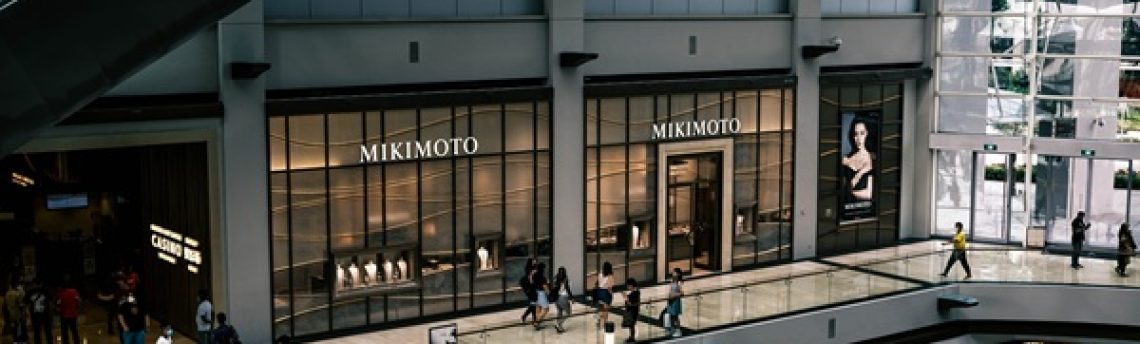
Shopping centres operate like small cities: HVAC, cleaning, security, technical maintenance, waste management and access control coexist in the same space with thousands of daily visitors. In Spain, large complexes can exceed 100,000 m² of gross leasable area and receive more than 10 million visits a year. This volume requires meticulous management, where every deviation directly impacts profitability.
Service optimisation in this context is not limited to reducing costs, but to balancing operational efficiency, visitor experience and asset durability. An HVAC failure in the middle of a peak season can translate into a drop in footfall, while poor cleaning affects the centre’s overall perception and dwell time.
Service integration: the starting point
One of the most widely used approaches is to integrate multiple services under a single management model. Instead of separate contracts for cleaning, security or maintenance, the focus is on centralised coordination that eliminates duplication and improves traceability.
In large centres, this integration can deliver efficiency improvements of between 10% and 15% in the first 12 months. The key is sharing information in real time: incidents, energy consumption or occupancy levels. For example, cleaning teams can adjust their routes based on visitor flow, avoiding unnecessary interventions in low-traffic areas.
Predictive maintenance: anticipating to optimise
Technical maintenance represents one of the largest cost blocks in a shopping centre. HVAC systems, escalators or lighting require constant checks. The shift from corrective to predictive maintenance is making the difference.
Using IoT sensors and data analytics, it is possible to anticipate failures before they occur. This reduces critical incidents by up to 30% and extends equipment service life by between 20% and 25%. It also avoids emergency interventions, which are usually more costly and disruptive to day-to-day operations.
In HVAC, for example, continuous analysis of temperatures, consumption and performance makes it possible to adjust parameters in real time, reducing deviations and improving thermal comfort without unnecessary increases in energy spend.
Energy efficiency: a key lever
Energy consumption can account for up to 40% of a shopping centre’s operating costs. Optimisation involves combining technology, monitoring and process redesign.
Replacing traditional lighting with LED systems can reduce consumption in this area by up to 60%. This is complemented by automation through BMS systems, which allow lighting, HVAC and ventilation to be adjusted according to schedules, weather conditions or footfall.
In some centres, implementing energy management strategies has reduced total consumption by between 15% and 25% in less than three years. This not only impacts the bottom line, but also supports compliance with sustainability targets, increasingly demanded by operators and brands.
Cleaning and visitor experience
Cleaning in shopping centres has evolved towards more dynamic models. It is no longer about scheduled interventions by time, but about actions adapted to the actual use of the space.
The use of occupancy sensors and traffic analysis makes it possible to prioritise areas with higher intensity of use, such as food courts or main entrances. This improves visitor perception and optimises available resources.
In addition, the introduction of more efficient machinery and sustainable products helps reduce water and chemical consumption, with improvements that can reach 20% in certain cases.
Smart security and access control
Security is another pillar in shopping centre management. Optimisation involves combining physical presence with advanced technology.
Video surveillance systems with analytics make it possible to detect anomalous behaviour, manage people flows and improve incident response. This reduces the need for manual intervention and improves reaction times.
During events or peak-footfall campaigns, access control becomes a critical element. Planning based on historical data makes it possible to size resources correctly and avoid overcrowding that affects both security and the visitor experience.
Digitalisation and decision-making
Digitalisation is the cross-cutting axis of optimisation. CAFM platforms and centralised management tools make it possible to monitor all services in real time.
This facilitates data-driven decision-making: from resource allocation to investment planning. A manager can identify consumption patterns, detect inefficiencies or anticipate maintenance needs more accurately.
In shopping centres with a high degree of digitalisation, productivity improvements of over 15% have been recorded, along with a significant reduction in incident response times.
Continuous adaptation in a changing environment
Consumer behaviour is constantly evolving. Changes in shopping habits, the rise of e-commerce or new sustainability requirements force shopping centres to adapt quickly.
Service optimisation in Facility Management is not a one-off process, but a dynamic model that requires continuous review. Adjusting contracts, incorporating new technologies or redefining processes are part of a strategy aimed at maintaining competitiveness.
The ability to adapt, supported by data and integrated management, has become the main differentiating factor in a sector where operational efficiency sets the pace.